5 November 2024
The Finance COP: A Pivotal Moment for Climate Action as finance for developing markets to rise 10x
By Tshepo Ntsane
As we approach the critical juncture of COP29 in Baku, Azerbaijan, scheduled for November 11-22 this year, the global community finds itself at a crossroads.
This summit, often referred to as the "Finance COP," is not just another meeting in the series of climate negotiations; it's a litmus test for the world's commitment to financial mobilisation for climate action.
The core agenda at COP29 revolves around redefining the New Collective Quantified Goal (NCQG) for climate finance. Initially set at COP15 in 2009, the goal was to mobilise $100 billion annually to assist developing nations in their climate mitigation and adaptation efforts.
Achieved for the first time in 2022 with $116 billion, the consensus now is that this figure needs a dramatic increase, potentially by five to ten times, to meet the escalating climate challenges.
Simon Stiell, the UN Climate Change Executive Secretary, recently emphasised this urgency at a pre-COP event, stating, "An ambitious new goal is entirely in every nation's and every economy's interests."
His remarks underscore a shared understanding that without substantial financial support, the global warming targets set by the Paris Agreement—keeping temperature rises below 2°C, with efforts towards 1.5°C—will remain out of reach.
The delay in funding flows has been a recurrent theme, as highlighted in the first global stocktake report. The report takes inventory on where the world stands on climate action and support, identifying the gaps, and working together to chart a better course forward to accelerate climate action. This report, released last year, starkly indicates that current climate actions are insufficient, pointing to a dire need for enhanced financial commitments that translate into tangible outcomes.
COP29's agenda also includes the operationalisation of the Loss and Damage (L&D) Fund initiated at COP27 and launched the following year. The fund, aimed at assisting vulnerable countries hit hardest by climate impacts, needs clear mechanisms for funding allocation. Discussions are expected to finalise the fund's mechanics, ensuring that funds reach affected nations effectively and equitably by 2025.
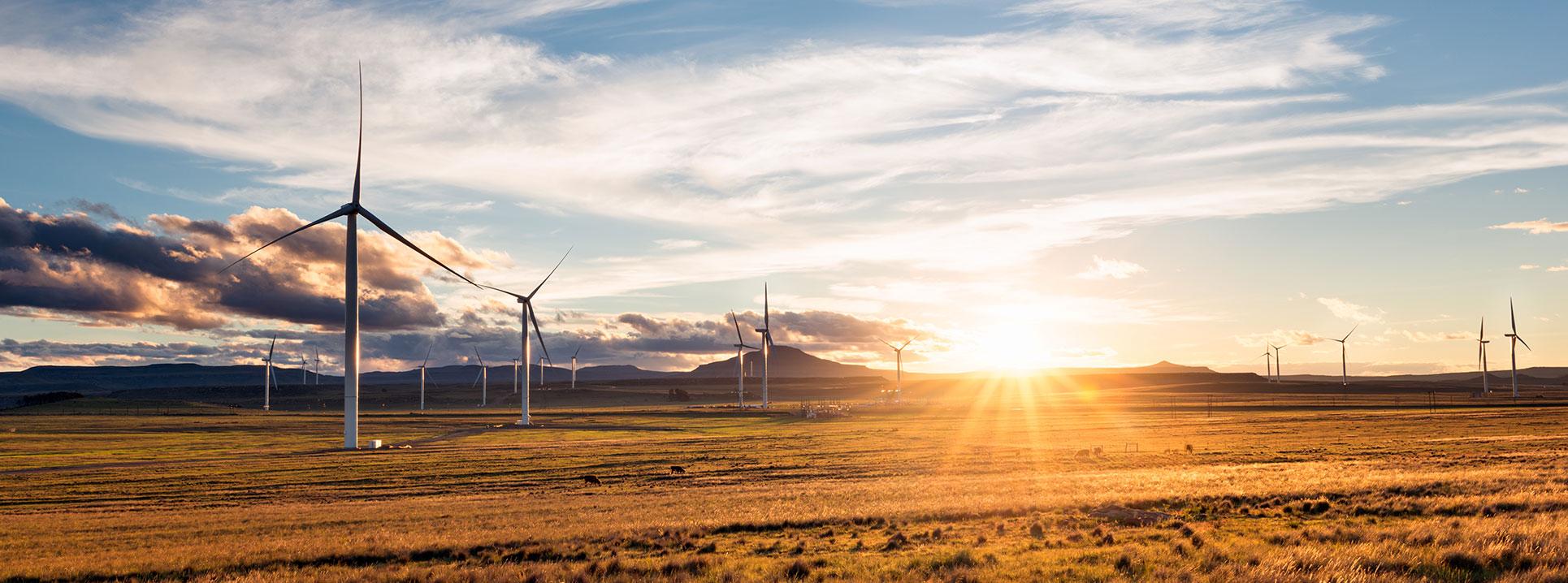
Another critical aspect is the acceleration of renewable energy capacity, a commitment made under the UAE Declaration at COP28. According to the International Renewable Energy Agency (IRENA), to triple global renewable energy capacity to 11 174 GW by 2030. In 2023, global renewable energy additions fell short, with only 473 GW added, significantly less than the required annual average of over 1 000 GW to meet the 2030 target. This discrepancy underscores the financial and policy gaps that COP29 must address.
Carbon markets, as outlined under Article 6 of the Paris Agreement, are gaining traction as a mechanism for attracting capital. Progress here includes the adoption of standards for project development under the Paris Agreement Crediting Mechanism. These steps are vital for creating a robust global market for carbon credits, facilitating debt-free capital flows for environmental projects.
The urgency of COP29's financial commitments cannot be overstated.
The debate over climate finance also involves the nature of contributions - whether through grants, loans, or other financial instruments. Developing countries argue for a higher percentage of grants, recognizing the historical responsibility of developed nations in climate change. This debate is crucial for establishing trust and ensuring that financial support translates into effective climate resilience and mitigation.
But the significance of COP29 extends beyond mere financial pledges; it's about setting a new trajectory for climate action that is both ambitious and actionable. The world watches as nations are expected to submit stronger climate action plans, known as NDCs 3.0, ahead of COP30, setting the stage for a decade of transformative change. The outcomes of these discussions will dictate the pace and effectiveness of global climate efforts, potentially reshaping economic policies and international relations in the pursuit of a sustainable future.
The Finance COP could well be remembered as the turning point where words were turned into actionable commitments, setting a renewed just transition pathway towards 2030.
Ntsane is Sustainable Finance Transactor at RMB
Ends